
Fatty liver disease scarring improved by common diabetes drug
- By Kumail Shah -
- Jul 25, 2026


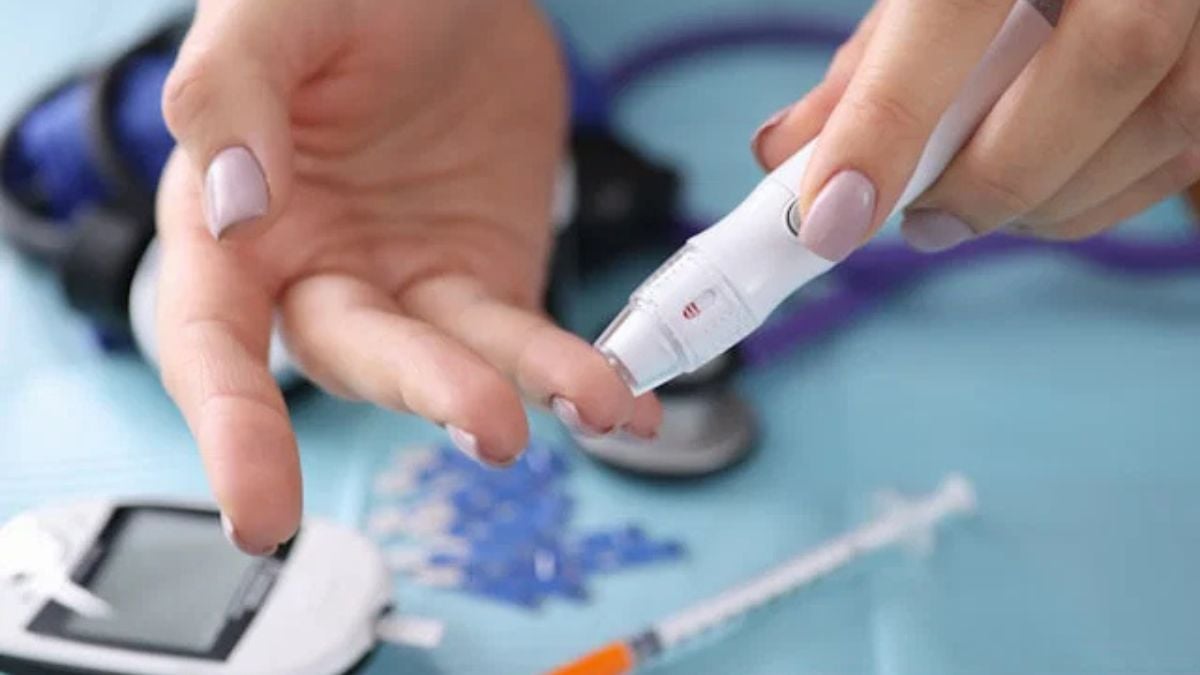
A major international clinical trial suggests that a commonly used medication for diabetes and weight loss might provide new hope for millions dealing with advanced fatty liver disease.
Fatty liver disease is rapidly becoming one of the fastest-growing health crises worldwide. It is closely linked to obesity, excess body weight, and type 2 diabetes. In severe cases, fat accumulation triggers metabolic dysfunction-associated steatohepatitis (MASH).
This chronic inflammation leads to permanent liver scarring, known as fibrosis, and eventually results in early cirrhosis, liver failure, or the need for a transplant.
For years, doctors have struggled to treat advanced MASH. Medical professionals have relied primarily on lifestyle interventions, such as diet and exercise, because few targeted medications have demonstrated clear clinical benefits.
Once severe scarring occurs, liver damage becomes incredibly difficult to reverse.
A new study published in The Lancet Gastroenterology & Hepatology suggests a potential medical breakthrough. Researchers at the University of California, San Diego, School of Medicine evaluated semaglutide, a popular GLP-1 receptor agonist known to control blood sugar and reduce appetite.
The phase 2 trial followed about 700 adults with biopsy-confirmed MASH, many of whom already had moderate-to-severe liver scarring. Researchers initially aimed to test a combination of semaglutide and an experimental metabolic drug, zalfermin.
READ MORE: Chronic kidney disease cases driven by rising diabetes rates in new study
Although the combination therapy did not outperform a placebo, semaglutide alone produced significant benefits.
Patients taking only semaglutide showed marked improvement in liver fibrosis without any worsening of the inflammation that drives ongoing liver damage.
This positive outcome was observed even in patients suffering from more advanced stages of the disease.
Additionally, the study found that noninvasive blood tests and imaging scans effectively tracked treatment progress, potentially reducing the need for painful and expensive liver biopsies in the future.
Although larger phase 3 trials are necessary to confirm whether the drug completely prevents liver failure, semaglutide’s well-known safety profile could help speed up its approval process. This provides immediate hope for patients with liver disease who currently have very few treatment options.